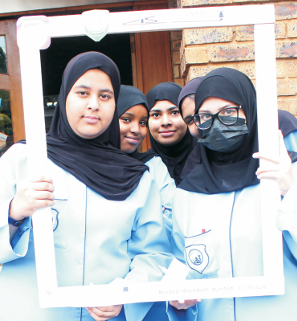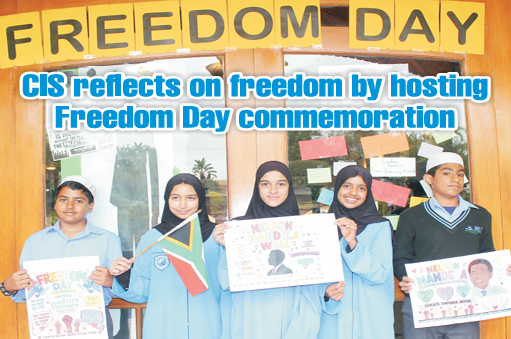
As South Africans prepare to commemorate Freedom Day this coming Monday (Apr 27), learners at Central Islamic School (CIS) in Laudium stepped up to reflect on the importance of this historic day, by hosting mock-elections at the school, commemorating the historic first post-apartheid elections held on April 27, 1994, during which all South Africans over the age of 18 were allowed to vote regardless of race. While the day remains a symbol of unity and democracy, many South Africans, including the above pictured CIS learners, are now questioning what freedom truly means in 2026. Despite having the right to vote, soaring levels of crime have left many residents feeling like prisoners in their own homes, unable to move freely and forced to live behind locked gates and high walls. Concerns over failing infrastructure, struggling hospitals and poor service delivery have also added to frustrations, with many believing that while political freedom has been achieved, economic freedom and freedom to live a life without fear, are yet to be achieved.
CIS learners freely celebrate Freedom Day
As South Africans prepare to commemorate Freedom Day on Monday (Apr 27), learners at Central Islamic School (CIS) in Laudium stepped up to reflect on the importance of this historic day, by taking part in mock-elections, this week.
CIS Principal, Manzoor Alimia, told the Laudium Sun, “The Freedom Day commemoration highlights the importance of remembering the past while encouraging learners to value the rights and freedoms they enjoy today. As the country prepares to mark Freedom Day once again, it is clear that even at CIS, the spirit of unity and reflection remains strong.”
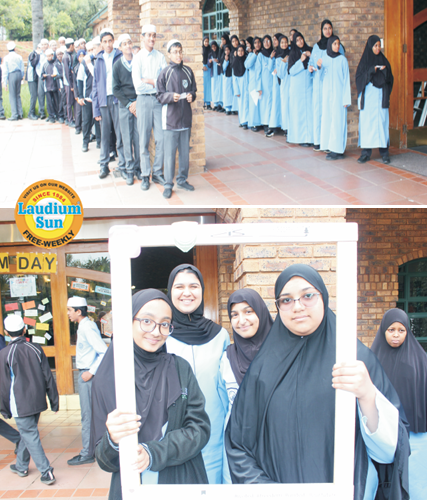
Freedom Day, which is celebrated annually on April 27, marks the first post apartheid elections held in 1994 where all South Africans over the age of 18 were allowed to vote regardless of race, colour, creed or religion, marking a turning point in the country’s history.
Former President Nelson Mandela, during the first commemoration, described April 27 1994 as a new dawn, saying that South Africans were reminded of the terrible past they came from and the bright future that now beckoned them. Addressing Parliament soon thereafter, where he was voted in as the first Black President of a democratic South Africa, he said that as this new dawn arrived, South Africans could not suppress the emotion of the moment, as they reflected on the past, the great possibilities ahead and the unity that brought the nation together. He further highlighted that wherever South Africans were across the globe, their hearts beat as one as they renewed their loyalty and commitment to the country and its future.
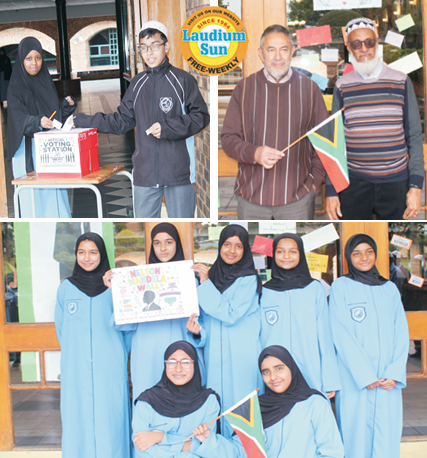
at the Freedom Day commemoration held at CIS this week.
Freedom Day also serves as a reminder of the immeasurable sacrifices made by many individuals in breaking the chains of unjust segregation. It also highlights the role of national heroes, particularly Nelson Mandela, Chris Hani, Walter Sisulu and Ahmed Kathrada. Mandela was regarded as a champion of freedom not only in South Africa but indeed across the world, with the United Nations even declaring Mandela Day on July 18. Madiba, as he was fondly known, promoted reconciliation, across all races and groupings, even with those from the apartheid regime, despite having been in prison for 27 years.